Motion sickness in babies, children and teenagers: 6 things parents should know
A teenager can usually tell you the bus is making them queasy. A younger child may only tell you they don't want to get in the car.
Knowing what to watch for makes it easier to respond without turning every journey into a guessing game.
1. Babies are less likely to experience it
Motion sickness is unusual in babies under 12 months. If a baby is vomiting during journeys, don't simply assume travel sickness is the explanation.
2. Younger children may show you before they tell you
A pale face, unusual tiredness or distress during travel can be clues. Some children start avoiding journeys.
3. It can happen away from the car
Boats, planes and even video games can trigger symptoms. Notice which situations trouble your child.
4. Offer something they can listen to
Try songs and conversation. Encourage a view outside while keeping their correct child restraint in place.
5. Keep the cleanup kit within reach
Keep bags, wipes and spare clothes within an adult's reach. Under every suitcase in the trunk doesn't count.
6. Repeated vomiting deserves a conversation with their doctor
Symptoms usually improve when movement stops. Frequent vomiting on journeys warrants medical advice. Raising Children Network covers these signs and strategies.
Where Ollaway fits into your research
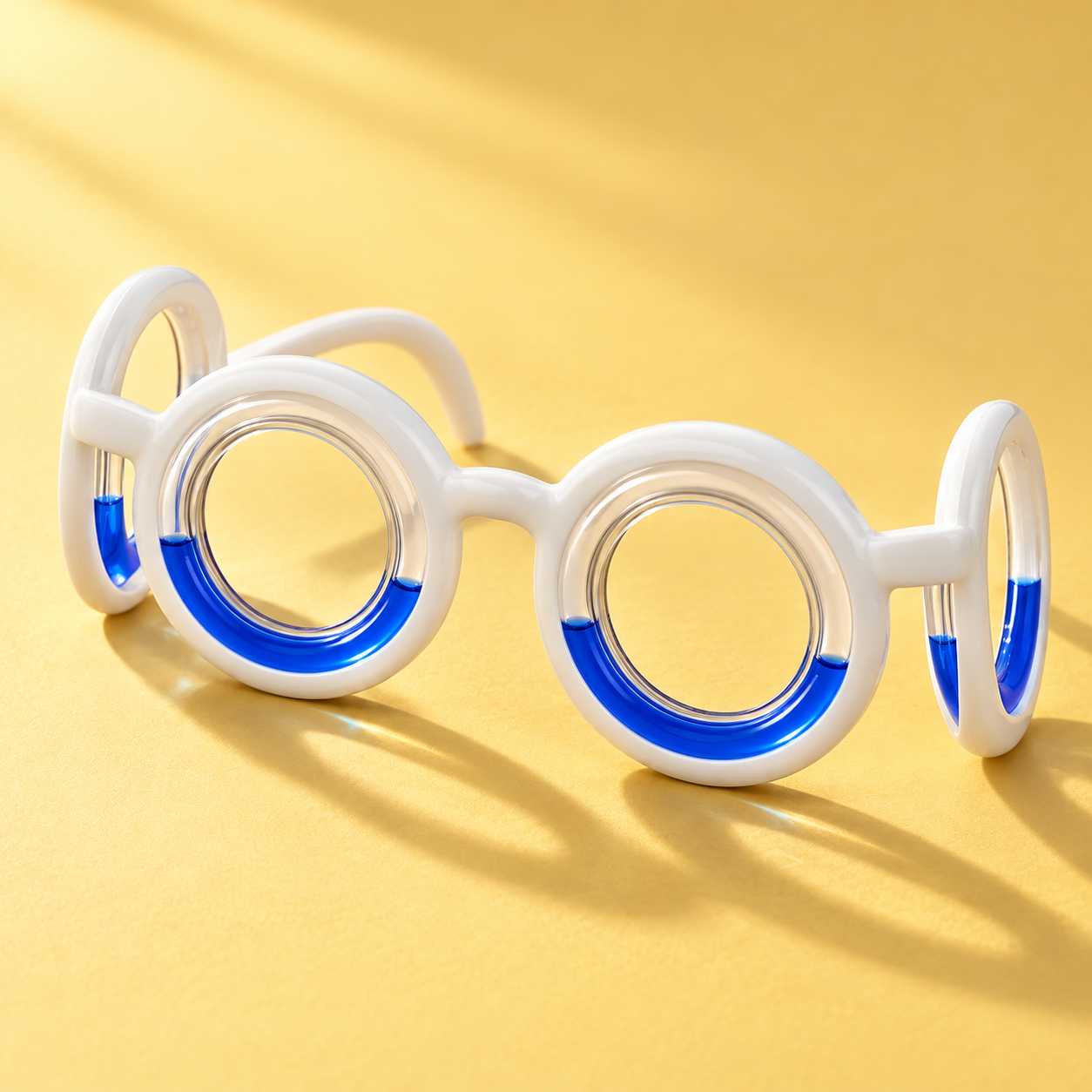
Parents looking into motion sickness glasses can explore Ollaway's lensless, four-ring design. Blue liquid inside the rings provides the intended horizon-like visual cue, and the glasses contain no medicine.
Before choosing them for a child, check the age and fit guidance and ask their clinician about suitability. Ollaway's current guidance does not establish a minimum age; these glasses should not be presented as a remedy for babies. Relief isn't guaranteed.
Your 25% off, for the fall drives
Take a closer look at Ollaway, check the product guidance and claim the current fall offer.